A crash report may focus on the motorcycle operator and other drivers, but an injured passenger can still have a claim of their own. If you’re asking what to do after a motorcycle accident in Louisiana as a passenger, your first priorities are safety, medical care, and preserving the information that explains how the crash happened.
A passenger didn’t control the motorcycle’s steering, braking, speed, or route. That distinction matters legally, but it doesn’t make every insurance question automatic. At Womac Law Firm, with more than 30 years of trial-level personal injury work in Louisiana, we’ve seen how early medical records, photographs, witness details, and careful communication can shape the outcome of a claim. Don’t try to settle responsibility at the roadside. Get help, document what you can without risking your health, and keep the facts available for a closer review later.
If you suffered injuries as a passenger in a collision, do not risk your recovery by dealing with insurance adjusters alone. Call Womac Law Firm at (504) 470-3935 or contact us online today to schedule a free consultation with our legal team.
What to Do at the Crash Scene
Call 911, accept emergency assistance, and move to a safer location only if doing so won’t worsen an injury. Louisiana law requires immediate notice of a crash involving injury, death, or more than $500 in property damage, so responding officers can create an official crash report.
If you’re physically able, gather the following:
- Officer Information: Ask how to obtain the crash report and write down the report number, agency name, and responding officer’s name.
- Driver & Vehicle Details: Photograph license plates, vehicle damage, insurance cards, and the motorcycle’s condition.
- Witness Information: Get names and phone numbers from anyone who saw the collision or stopped immediately afterward.
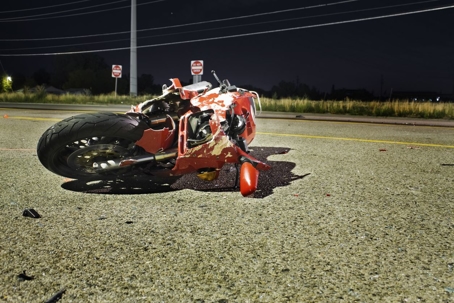
- Scene Evidence: Photograph the roadway, traffic signals, debris, skid marks, weather conditions, visible injuries, and damaged riding gear.
Give officers accurate identifying information and describe what you remember. Avoid guessing about speed, fault, or what another person saw. A passenger may be shaken, in pain, or unable to recall the full sequence of events, and an uncertain statement can be misread later.
Get Medical Care & Document Your Injuries
Seek a medical evaluation promptly, even if you think the injury is minor. Adrenaline can mask pain after a collision, while concussion symptoms, soft tissue injuries, internal injuries, and joint damage may become apparent in the hours or days that follow.
Medical documentation means the records that connect symptoms, diagnoses, treatment, and restrictions to the crash. Keep discharge instructions, prescriptions, imaging results, referral records, appointment confirmations, and receipts for medication, transportation, medical equipment, and other out-of-pocket expenses.
Keep a simple recovery record:
- Symptoms: Note pain levels, headaches, dizziness, sleep problems, mobility limits, and new symptoms as they arise.
- Treatment: Record appointments, therapy sessions, recommended care, and any missed or rescheduled visits.
- Work Impact: Save wage records and note missed shifts, reduced hours, or medical restrictions affecting your job.
- Daily Limitations: Write down tasks you can’t do or need help with, such as driving, lifting, household care, or caring for children.
Don’t repair, discard, or give away your helmet, clothing, shoes, or other damaged personal property. A cracked helmet, torn jacket, and scuffed footwear can help document the force and direction of impact.
Who May Be Responsible for Your Injuries
Louisiana Civil Code Article 2315 establishes that a person whose fault causes damage is responsible for it. A motorcycle passenger injury claim may involve another driver who turned into the motorcycle’s path, the motorcycle operator, or more than one person whose conduct contributed to the collision.
Being a passenger matters because passengers generally don’t control the motorcycle. Still, insurers may examine fact-specific issues. Whether the passenger knowingly rode with an unsafe operator, used available safety equipment, or allegedly contributed to the injury are questions that turn on evidence, not assumptions about passengers as a group.
Louisiana Civil Code Article 2323 requires fault to be allocated among everyone who caused or contributed to harm, including a driver who never made physical contact with the motorcycle, depending on the facts. Identifying every potentially responsible party early matters when the crash involved multiple vehicles or conflicting accounts.
Sorting Out the Insurance Questions
You don’t need to own the motorcycle or carry a motorcycle policy to investigate available coverage. Start by preserving insurance information for the motorcycle operator, the motorcycle owner if different, and every other vehicle involved in the crash.
Bodily injury liability coverage is the part of a responsible driver’s policy that may pay for injuries they caused to others. Coverage may also come through the motorcycle policy or uninsured and underinsured motorist coverage, which can apply when the responsible driver has no insurance or insufficient coverage. Policy language, household relationships, exclusions, and the facts of the collision all affect whether coverage is available.
Our motorcycle accident attorneys can help an injured passenger identify policies and communications that deserve a closer look. Before giving a recorded statement, signing a medical authorization, accepting a settlement check, or signing a release, make sure the full extent of your injuries and the available coverage have been reasonably investigated. An early offer may arrive before you know whether additional treatment, rehabilitation, lost income, or lasting limitations are in the picture. Once you sign a release, it can limit your ability to seek additional payment for the same crash.
Building Your File in the Days After the Crash
The first week is often when a scattered collection of details becomes usable documentation. Create one folder (digital or paper) for the crash report, photographs, medical records, insurance letters, bills, work records, and witness contact information.
Save texts, ride details, location history, call logs, and messages that may show where you were going, who was present, or what happened after the crash. Be careful with social media as well. Insurers may compare public posts with claimed injuries or activity restrictions, even when a photograph doesn’t capture the full reality of someone’s pain.
A written timeline can prevent important details from fading. Include the date and time of the crash, emergency treatment, symptoms, appointments, insurer contacts, missed work, and changes in your condition. Louisiana Civil Code Article 3493.1 generally provides a two-year prescriptive period for injury claims, beginning when the injury is sustained. Deadline questions can turn on specific facts, so don’t assume another person’s timeline applies to your situation.
How Louisiana’s Fault Rules Apply to Passengers
Comparative fault reduces a claimant’s damages by their percentage of assigned fault. Under Louisiana Civil Code Article 2323, fault may be allocated across all persons who caused or contributed to the harm, not just the person from whom payment is sought. Under the law effective January 1, 2026, a claimant found 51 percent or more at fault can’t recover damages.
A passenger’s status is important evidence. They weren’t controlling the motorcycle, but that doesn’t replace a careful investigation of the crash, safety equipment, medical evidence, and everyone’s conduct. Responsibility can be disputed, witness accounts can differ, and the available evidence may tell a more complete story than the version given at the scene.
Get the Care & Documentation Right First
Medical care, clear documentation, and preserved evidence matter more in the first days than reaching a final decision about fault or settlement. Get the care you need, hold onto the records you receive, and don’t let an adjuster’s urgency set the pace for your recovery.
If you need help evaluating your options after a motorcycle crash, our team at Womac Law Firm offers a free and confidential consultation to walk you through the next steps. You can reach us at (504) 470-3935.